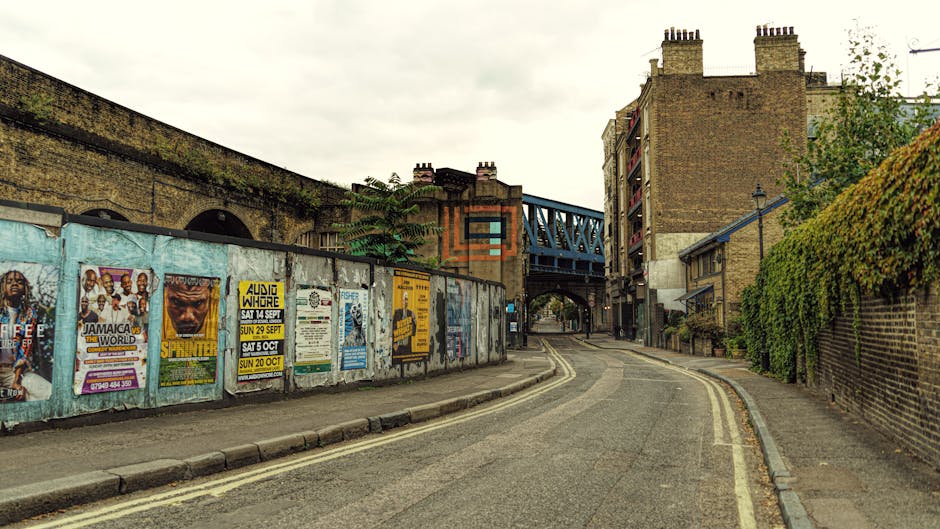
Kennington Lane to Vauxhall Station: Estate Move Checklist
Moving between Kennington Lane and Vauxhall Station may look like a short hop on the map, but estate moves in this part of London still come with the usual headaches: tight access, shared entrances, parking questions, awkward stairwells, and the very real challenge of keeping everything calm on a busy day. This Kennington Lane to Vauxhall Station: Estate Move Checklist is designed to help you stay organised, avoid last-minute panic, and move with a bit more confidence. Not perfect, because moves rarely are. But much smoother, yes.
Whether you are leaving a modern flat, a period conversion, or a building with a lift that seems to have a mind of its own, the right checklist makes a big difference. It helps you prepare the property, protect your furniture, coordinate with neighbours, and choose the right moving support for the job. If you want to keep the day tidy and manageable, you are in the right place.
Why Kennington Lane to Vauxhall Station: Estate Move Checklist Matters
Estate moves in central and inner London are rarely just about getting a van from A to B. The route between Kennington Lane and Vauxhall Station sits in a busy, well-connected stretch of the city, which is helpful for travel but not always friendly for removals. Traffic can build quickly. Loading spaces may be limited. Some buildings have narrow communal hallways or awkward corners that make a sofa feel twice its actual size. You know the sort of thing.
A good checklist matters because it reduces guesswork. Instead of trying to remember whether you packed the kettle, booked the lift, or warned the concierge, you work through each stage in order. That means fewer forgotten items, less damage, and a less frazzled moving day. And to be fair, that peace of mind is often worth more than people expect.
It also matters because estate moves tend to involve several moving parts at once: tenancy deadlines, estate agent updates, service lift bookings, parking arrangements, and possibly storage if the new place is not ready. A checklist helps you keep those threads together. If you are also trying to clear out bulky items or reduce clutter before moving, a guide like clear the clutter for a smoother relocation can fit neatly into your prep plan.
There is another simple reason: moving mistakes get expensive quickly. Missed timings can lead to extra waiting. Poor packing can mean broken glassware or damaged drawers. Bad lifting decisions can lead to injury, and nobody wants that. The checklist is not glamorous. It is just extremely useful.
How Kennington Lane to Vauxhall Station: Estate Move Checklist Works
The checklist works by breaking the move into phases. First, you prepare the property and your belongings. Next, you organise access, transport, and support. Then you load, move, unload, and settle in. It sounds obvious when written down, but the value is in the detail.
For this route, the main thing is planning around local conditions. Vauxhall can be busy at almost any sensible hour, and estate layouts often mean you need to think about more than just the front door. For example, if your building has timed lift access, the mover needs to know in advance. If you are in a flat without direct street parking, you may need to factor in a short carry distance from van to entrance. Small thing, big impact.
A useful checklist also helps you decide what needs specialist handling. A piano, for example, is not a last-minute item you just sling in with the rest. The same goes for an American-style fridge, a heavy wardrobe, or a mattress that needs careful protection. If that applies, a dedicated service such as piano removals in Vauxhall or furniture removals in Vauxhall may be the sensible route.
In practical terms, the checklist should cover:
- what is being moved and what is staying behind
- packing materials and labelling
- parking and access permissions
- fragile, heavy, and high-value items
- cleaning and end-of-tenancy tasks
- utility readings, keys, and handover details
That structure keeps the process grounded. No drama. Just a proper plan.
Key Benefits and Practical Advantages
The biggest benefit is simple: fewer surprises. When your estate move is mapped out properly, you are less likely to discover a missing box of essentials at 9 p.m. after a long day of carrying things up and down stairs. A good checklist removes a lot of that chaos before it starts.
There are also a few other benefits worth calling out:
- Better time management: You can pace packing and cleaning instead of trying to do everything in one exhausted blur.
- Reduced damage risk: Proper wrapping, stacking, and labelling help protect furniture and breakables.
- Safer lifting: Planning heavy items in advance means fewer awkward moves and less strain.
- Cleaner handover: A tidy departure helps with landlord or building manager expectations.
- Less stress for everyone involved: Helpful if you are moving with family, housemates, or a tight timeline.
There is a small but real emotional benefit too. Moving day feels less like a scramble and more like a sequence you can actually follow. That matters. People cope better when they can see the shape of the day.
If you are comparing help options, it can be useful to explore removals in Vauxhall, man and van Vauxhall, or man with a van Vauxhall services depending on how much you need moved and how hands-on you want the job to be.
Who This Is For and When It Makes Sense
This checklist is useful for almost anyone moving between Kennington Lane and Vauxhall Station, but it is especially helpful if your move involves shared access, a flat, or a tight schedule. In other words, very London.
It makes sense for:
- tenants ending a lease and needing a clean, efficient handover
- homeowners moving out of or into an apartment-style property
- students and young professionals relocating between nearby addresses
- small families moving furniture without a huge removal team
- businesses shifting equipment or files in a controlled, low-disruption way
It is also a good fit if you are uncertain whether you need a full team or just a vehicle and a pair of capable hands. Some moves really do need more support than they first appear to. A large bed frame, a chest of drawers, and a few packed boxes can be fine. Add a piano or several bulky pieces, and the picture changes quickly.
For students or small household moves, student removals in Vauxhall can be a practical fit. For business moves, office removals in Vauxhall may be the better match. Different move, different plan. Obvious, but easy to overlook when you are busy.
Step-by-Step Guidance
Here is a practical way to work through the move without letting the details slip through your fingers.
1. Confirm your moving date and access times
Start with the fixed points. Check your move-out date, move-in date, and any access windows for lifts, loading bays, or concierge desks. If there are restrictions on your building, build your schedule around them instead of hoping they will not matter. They will.
2. Declutter before you pack
Do not pay to move what you no longer want. Old cables, duplicate kitchen bits, damaged chairs, and mystery items from the back of cupboards all add weight and stress. If you need a practical push, the guide on clearing the clutter for a smoother relocation is a good place to start.
3. Gather quality packing materials
Use strong boxes, tape, paper, bubble wrap, mattress covers, and protective blankets where needed. Weak boxes are a false economy. They buckle at exactly the wrong moment. If you want a more complete preparation guide, see packing and boxes in Vauxhall and the article on how to pack effectively for your house move.
4. Pack room by room
Keep items from the same room together, and label each box clearly. Write not only the room name but also a short contents note, such as "kitchen - glasses" or "bedroom - cables and lamps". This saves time when unloading. It also saves that annoying little pause where everyone stands in a hallway asking, "Where does this go?"
5. Prepare bulky and delicate items separately
Large furniture, mattresses, mirrors, and fragile electronics need their own plan. A bed should be dismantled carefully, with screws bagged and taped to the frame or stored together in a labelled pouch. If you are moving sleep furniture, this guide on organising a bed and mattress move is worth a look.
6. Arrange parking and loading support
In this area, parking can be the make-or-break part of the move. Make sure the vehicle can get close enough for efficient loading. If there is a short carry from building entrance to van, assign people accordingly. If you are unsure, speak to the property manager or building concierge early. Guessing is not a strategy.
7. Protect the property on both ends
Lay down floor protection if needed, especially in communal areas or when moving heavy items. A scuffed hallway at the end of a move is avoidable, and nobody wants to start a new tenancy with apologies. If you are dealing with storage or long gaps between moves, you may also want to look at sofa shielding tips for long-term storage and storage in Vauxhall.
8. Load strategically
Heavier items should go in first, with fragile boxes secured above or around stable items. Keep essentials accessible if you will need them quickly at the new place. A kettle, chargers, toiletries, a change of clothes, and basic cleaning supplies can save your first evening from feeling like a mini expedition.
9. Do a final walk-through
Check cupboards, loft spaces, under beds, and behind doors. It is amazing how often one overlooked shelf contains keys, documents, or the one important charger everyone needs. Take meter readings, photograph the property if appropriate, and leave keys as agreed.
10. Settle essentials first
At the new property, unpack the basics before the nice-to-have items. Start with sleep, food, and washing. Then move on to the rest. It sounds a bit plain, but on moving day plain is good.
Expert Tips for Better Results
In our experience, the moves that go best are usually the ones where people think a little ahead, not the ones where they work hardest on the day. Hard work helps, of course. But planning helps more.
Here are a few field-tested tips that genuinely make a difference:
- Label by priority as well as room: Mark some boxes "open first" so they do not disappear into the general pile.
- Keep screws and fittings together: Put them in small sealed bags and attach them to the relevant furniture.
- Use bedding and towels as padding: Handy, economical, and less wasteful than buying extra wrap for everything.
- Do not overfill boxes: Books, plates, and files become very heavy very quickly.
- Take photos before dismantling furniture: Especially useful for wardrobes, modular shelves, and cable setups.
If you have one awkward item and ten easy ones, deal with the awkward one first. That way the rest of the day feels lighter. A professional team using house removals in Vauxhall or a flexible removal van service can help keep those tricky pieces under control.
And one small human tip: keep snacks and water visible. Not glamorous, but after a couple of flights of stairs, nobody is chatting about box labels anymore.
Common Mistakes to Avoid
Most moving problems are predictable. That is the annoying part. The good news is that predictable problems are easier to prevent.
- Leaving packing until the final evening: This usually leads to poor labelling and rushed decisions.
- Ignoring access details: A van may be ready, but if the building access plan is not, delays follow.
- Moving everything yourself without checking weight: Heavy lifting goes wrong fast. Protect your back.
- Using the wrong materials for fragile items: Wrapping plates in a single tea towel is brave, but not wise.
- Forgetting utilities and admin: Utilities, council contact details, subscriptions, and mail forwarding are easy to miss.
- Not planning for storage if dates do not align: Bridging a gap late in the process is far more stressful than booking storage early.
If you are tempted to cut corners on lifting, do not. Read up on proper handling first or use experienced help. A practical article like becoming your own heavy lifting expert can give you a sense of what is safe and what is not. A bit of caution saves a lot of regret.
Tools, Resources and Recommendations
You do not need a warehouse full of equipment for a good estate move, but a handful of sensible tools makes everything easier. The basics are usually enough.
| Tool or Resource | Why It Helps | Best Use Case |
|---|---|---|
| Strong boxes and tape | Keeps items secure and stacks more safely | General household packing |
| Furniture blankets | Protects edges, finishes, and awkward corners | Wardrobes, tables, sofas |
| Mattress covers | Helps keep bedding clean and dry in transit | Bed moves |
| Label markers | Makes sorting faster at the destination | Room-by-room packing |
| Trolley or sack truck | Reduces strain on heavier loads | Boxes, appliances, office items |
| Storage solution | Useful when move-out and move-in dates do not align | Staggered estate moves |
If you need a broader service view, the services overview is a helpful place to compare options. You can also review insurance and safety information if you want reassurance around handling standards and risk management. For payment concerns, the page on payment and security is useful before you book.
When you are moving items you may not want to take with you immediately, storage can be a quiet lifesaver. A sofa, freezer, or mattress stored badly can suffer, so it helps to read practical storage advice before deciding what goes where. The freezer guidance at storing your freezer correctly for long-term benefits is a good example of the kind of detail that prevents headaches later.
Law, Compliance, Standards, or Best Practice
For a move like this, the main compliance concerns are practical rather than highly technical, but they still matter. If you are in a rented property, check your tenancy agreement for cleaning, damage, and key return obligations. If you are in a managed estate, confirm building rules about loading, lift use, and waste disposal. Little details, yes. But little details are the ones that usually trip people up.
From a safety perspective, good practice in the UK generally means keeping walkways clear, lifting sensibly, and using suitable equipment for heavier items. If someone is helping with the move, they should not be put in a position where they are carrying too much without support. That is just common-sense duty of care.
There are also broader business and consumer expectations to keep in mind:
- clear communication on timing and access
- careful handling of belongings
- transparent booking and pricing information
- respect for building rules and neighbours
If you want to understand the company side a bit better, pages like terms and conditions, complaints procedure, and about us help set expectations in a straightforward way. It is always better to know what is covered before moving day, rather than after.
Options, Methods, or Comparison Table
Different moves need different levels of support. A short comparison can help you decide what fits the job without overpaying or under-preparing.
| Option | Best For | Strengths | Trade-Offs |
|---|---|---|---|
| DIY van hire | Small, simple moves with flexible timing | Control and lower baseline cost | More personal labour, more planning, more risk if you misjudge size |
| Man and van | Flat moves, student moves, mixed loads | Useful balance of help and flexibility | May not suit very large or very complex moves |
| Full removal service | Heavier households, busy schedules, fragile furniture | More support, less lifting, smoother coordination | Typically more involved to arrange |
| Storage plus moving support | Gap between move-out and move-in dates | Useful when timelines do not line up neatly | Extra step to coordinate |
For some readers, the right answer is not a single service but a combination. For example, you might use a man and van for the main household items, then place a sofa into storage for a few weeks until the new layout is ready. That happens more often than people admit.
Case Study or Real-World Example
Picture a straightforward estate move from a rented flat near Kennington Lane to a new place close to Vauxhall Station. Two people, one small lift, a few awkward stair turns, and a mix of household items: boxes, a bed frame, a sofa, a dining table, and a freezer that definitely needs careful handling.
The move goes better because the preparation is done early. The boxes are packed by room. The bed frame is dismantled the day before. Parking is checked in advance, so the van does not spend twenty minutes hunting for a space. The freezer is emptied, cleaned, and left with enough planning to avoid a messy rush. Someone even remembers to keep a "first night" bag separate, which is surprisingly rare.
What made the difference? Not fancy equipment. Just structure.
There was a short delay because the lift was being used by another resident, of course there was. But because the team knew the access plan, they worked around it instead of freezing on the spot. A careful mover would probably also have checked the building rules beforehand and chosen a service suited to the load, perhaps flat removals in Vauxhall rather than a more general option.
That kind of move is a good reminder that even a short local relocation benefits from a proper checklist. The distance is not the issue. The organisation is.
Practical Checklist
Use this as a working estate move checklist for the Kennington Lane to Vauxhall Station route. It is deliberately practical and not too clever. Clear is better.
Move-day reminder: If a task can be done the day before, do it the day before. Your future self will thank you.
- Confirm move date, time, and access windows
- Check parking arrangements and van access
- Notify building management or concierge if needed
- Sort and declutter before packing
- Collect boxes, tape, labels, and protective wrap
- Pack room by room and mark fragile items clearly
- Dismantle beds and bulky furniture in advance
- Protect sofas, mattresses, mirrors, and electronics
- Set aside a first-night essentials bag
- Arrange storage if dates do not line up
- Take meter readings and photos if required
- Clean the property before handover
- Return keys, fobs, and access cards as agreed
- Keep important documents and chargers with you
If heavy lifting is part of the day, do not leave it to guesswork. A safer approach may be to use a team that understands lifting technique and building access. If you want to read more about handling methods, the article on kinetic lifting and innovative lifting solutions is a useful technical companion piece.
And if you are juggling a busy schedule, a same-day removals Vauxhall option may be helpful in the right circumstances. Not every move needs it, but when timing is tight, it can be a real relief.
Get a free quote today and see how much you can save.
Conclusion
A move from Kennington Lane to Vauxhall Station does not need to become a long, draining event. With a clear estate move checklist, the job becomes far more manageable: pack in order, protect fragile pieces, sort access early, and choose the right level of help for your home and timeline.
The best moves are rarely the flashiest. They are the ones where the boxes are labelled properly, the building rules are respected, the heavy items are handled safely, and nobody is left searching for a toothbrush at midnight. That is the real win.
If you are planning a local move soon, take the time to prepare properly. It will save stress, time, and probably a few sighs on the day. And honestly, that is enough of a victory.
Frequently Asked Questions
What should be on a Kennington Lane to Vauxhall Station estate move checklist?
It should cover packing, access, parking, lift bookings, cleaning, utilities, heavy items, storage needs, and key handover details. Think of it as the full moving-day map, not just a packing list.
How early should I start preparing for a local estate move?
Ideally, start a couple of weeks ahead if you can. Even for a short move, early prep gives you time to declutter, source materials, and sort access without rushing.
Do I need a full removal service for a move near Vauxhall Station?
Not always. A man and van can suit smaller moves, while a fuller service is better for larger or more complex loads. The right choice depends on your furniture, access, and how much lifting you want to do yourself.
How do I protect furniture during an estate move?
Use blankets, covers, tape, and proper wrapping. Sofas, mattresses, and wooden furniture should be padded and secured so they do not rub, snag, or chip during transit.
What if my move-out and move-in dates do not match?
Storage can bridge the gap. It is a common solution when one property is not ready yet, and it is much easier when arranged early rather than at the last minute.
How do I manage moving in a building with limited parking?
Check building guidance, ask the concierge or property manager if relevant, and plan the van position before moving day. Short carry distances add time, so factor that in when booking help.
Should I clean before or after moving the furniture?
Usually both, in a way. Clean as you pack and then do a final clean after the property is empty. That final empty-space clean is much easier and often more effective.
What items are most often forgotten during a move?
Chargers, keys, small kitchen items, documents, toiletries, and bits stored in cupboards or behind furniture are common misses. A final room-by-room walk-through helps catch them.
Is it worth hiring professionals for heavy items only?
Yes, often it is. Many people handle lighter boxes themselves and bring in help for sofas, beds, wardrobes, or appliances. It is a sensible middle ground.
What should I ask before booking a moving service?
Ask about availability, vehicle size, handling support, access assumptions, payment terms, and whether they can help with furniture or specialist items. Clear questions save a lot of guesswork later.
How do I move a bed and mattress safely?
Disassemble the frame where possible, bag the fixings, protect the mattress with a cover, and keep everything together. If you want a fuller guide, the article on bed and mattress moving is a good reference.
What if I need advice on the company's policies or safety standards?
You can review pages like health and safety policy, insurance and safety, and recycling and sustainability for a clearer picture of standards and expectations.
Can a short local move still benefit from a checklist?
Absolutely. Short moves often fail because people assume they will be simple. A checklist keeps the move organised, even when the distance is only a few streets apart.
When the boxes are finally stacked and the last key is handed over, it is nice to know the day was handled well. Small victory, but a real one.