Avoid Fines in Vauxhall: Waste Disposal Rules Explained
Posted on 06/07/2026
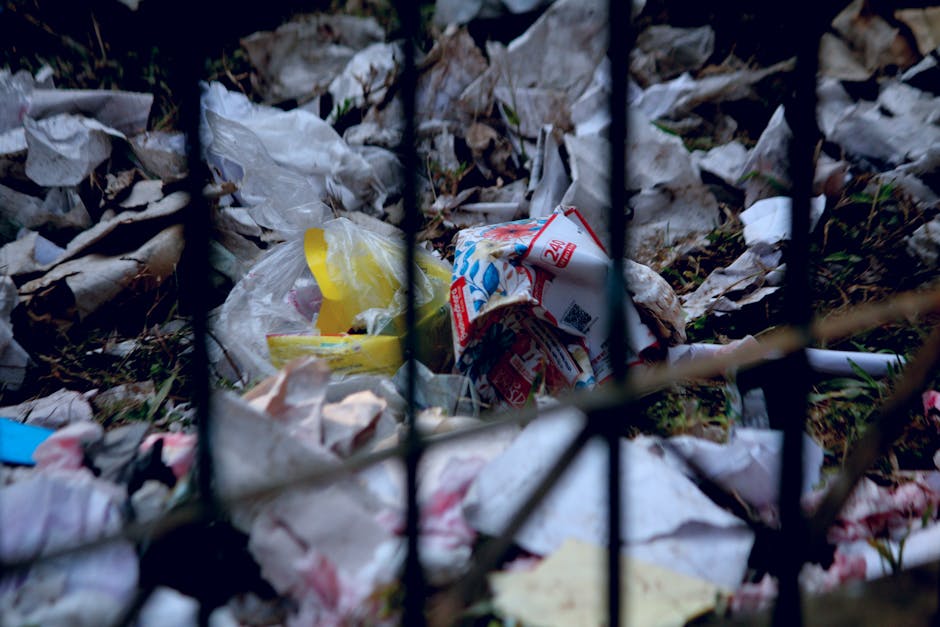
If you live, move, or run a business in Vauxhall, waste disposal can feel oddly complicated. One wrong bin choice, a missed collection day, or a sofa left on the pavement for "just one night" can create hassle fast. And yes, it can lead to fines. This guide on Avoid Fines in Vauxhall: Waste Disposal Rules Explained breaks the process down in plain English, so you know what to do, what to avoid, and how to keep disposal tidy, legal, and stress-free.
Whether you are clearing a flat, replacing furniture, handling an office move, or dealing with bulky items after a renovation, the same principle applies: plan ahead, separate waste properly, and use the right disposal route. Simple enough in theory. In real life? Not always. So let's make it easier.
Why Avoid Fines in Vauxhall: Waste Disposal Rules Explained Matters
Waste rules are not just about keeping streets neat, although that matters too. In a busy area like Vauxhall, waste left in the wrong place can obstruct pavements, attract complaints, and create problems for neighbours, landlords, and managing agents. A small mistake can quickly become an inconvenience for everyone on the street.
There is also a money angle, of course. Fines, enforcement action, and removal costs can be far more painful than doing things properly from the start. That is why people often search for practical help after a move, a spring clean, or a furniture upgrade. Truth be told, disposal is one of those jobs that looks minor until it suddenly becomes urgent.
Vauxhall also sits within a wider London environment where space is tight and collection routines matter. Fly-tipping, incorrect placement of bulky waste, and mixing restricted items with general rubbish are all avoidable problems. And if you are already juggling parking, lifting, keys, and deadlines, the last thing you need is a waste issue on top. You will notice the difference straight away when disposal is planned properly.
A useful way to think about it is this: the rules are not there to make life awkward. They exist to keep public space safe, protect recycling streams, and make collections work smoothly for everyone. Once you understand the system, it is actually very manageable.
How Avoid Fines in Vauxhall: Waste Disposal Rules Explained Works
At its core, waste disposal in Vauxhall follows a few simple principles. First, ordinary household waste goes in the correct bin or bag set out for collection. Second, recyclable materials should be separated where required. Third, bulky items, electricals, and hazardous materials usually need special handling rather than being left beside a bin.
That sounds obvious. The catch is that different waste types are treated differently, and the wrong route can cause a problem. For example, a broken fridge, a mattress, and a pile of mixed renovation debris are not treated the same way. Nor should they be. A white appliance is not the same as cardboard, no matter how much we all wish it were easier.
For households, the main concern is usually avoiding contamination and overfilling bins. For movers and landlords, it is often about leaving a property clear without dumping items on the kerb. For businesses, it may be about commercial waste contracts, skip placement, and keeping the front of the building usable. Different scenario, same basic rule: waste must be stored, separated, and presented properly.
If you are moving out soon, it helps to pair waste planning with your wider move planning. Guides like clearing the clutter for a smoother relocation and cleaning a home before moving are useful companions because they encourage you to sort items before they become disposal headaches.
Key Benefits and Practical Advantages
Doing waste disposal properly brings more than just peace of mind. It saves time, protects your deposit or sale, and makes the whole property handover cleaner. It also reduces the chance of chasing last-minute collections or paying for emergency clearances when the deadline is already breathing down your neck.
- Lower risk of fines or complaints: correct disposal reduces enforcement problems and neighbour disputes.
- Cleaner move-out experience: a cleared property is easier to hand over and inspect.
- Better recycling outcomes: sorted waste is more likely to go where it should.
- Less lifting stress: when bulky items are handled sensibly, there is less strain and fewer awkward scrapes down hallways.
- Faster job completion: the right disposal route often saves multiple trips and last-minute panic.
There is a quiet practical advantage too: once waste is under control, everything else feels easier. Packing goes faster, the van loads better, and rooms stop feeling like they are full of loose ends. That is why disposal should be part of the moving plan, not an afterthought.
If you are handling heavier items, it can help to think about the movement stage as well as the disposal stage. Articles such as becoming your own heavy lifting expert and innovative lifting solutions for awkward loads reinforce one simple idea: a safe move starts before the item reaches the pavement.
Who This Is For and When It Makes Sense
This guidance is for anyone in Vauxhall who needs to get rid of waste without causing trouble. That includes tenants, landlords, homeowners, students, office managers, letting agents, and anyone helping a family member clear a property. If you are in charge of the tidying-up part, this is for you.
It is especially useful when:
- you are moving house and need to clear unwanted furniture
- you are replacing a sofa, bed, or white goods
- you are managing end-of-tenancy clearance
- you are fitting out or closing an office
- you have missed a regular collection and need a fallback plan
- you want to avoid leaving items outside and hoping for the best, which, let's face it, is a risky move
Students and flat-sharers often need quick, practical solutions because space is limited and deadlines are tight. Families tend to face bigger mixed loads. Businesses usually need to think about access, loading bays, and disruption to the street. A one-size-fits-all approach rarely works. That is the honest answer.
If your waste is tied to a larger move, the wider moving process matters too. Helpful pages like navigating a house move with less stress, packing effectively for your house move, and avoiding hidden fees in removal quotes can help you avoid treating waste as a separate crisis.
Step-by-Step Guidance
Here is a sensible, practical way to handle waste disposal in Vauxhall without making life harder than it needs to be.
- Sort everything into categories. Separate general waste, recycling, reusable items, electricals, textiles, and bulky furniture.
- Check what can be reused. If something is still usable, donate, gift, or repurpose it where appropriate.
- Keep hazardous items apart. Paints, chemicals, batteries, and similar materials need special care and should never be mixed in with everyday rubbish.
- Break down bulky items safely. Remove loose parts, tape sharp edges, and make loads manageable.
- Use the correct collection route. Regular bin collection, recycling, bulky collection, private clearance, or specialist handling all serve different purposes.
- Do not leave waste in public space. Pavements, stairwells, front gardens, and shared entrances are not dumping points.
- Plan the timing. If you are moving, schedule disposal before final clean-up day so you are not carrying junk from room to room.
A small tip that saves grief: photograph the cleared areas before handover. It helps if there is ever a disagreement about what was left behind. Also, you will feel more organised, which is no small thing at 8:30 on a wet Tuesday when the hallway is full of boxes.
For awkward furniture or appliance removal, it is often worth reading bulky item collection advice for wardrobes and appliances. If you are moving delicate or difficult items alongside waste clearance, the piano transport guide is a good reminder of how specialist handling can prevent damage and disruption.
Expert Tips for Better Results
In our experience, the cleanest waste jobs are the ones that are planned before the van ever arrives. A few small habits make a big difference.
- Work room by room. It stops clutter from being moved around the property like a slow, annoying cloud.
- Label disposal piles clearly. Use simple notes such as recycle, donate, keep, or dispose.
- Keep walkways open. This reduces trip hazards and makes loading far easier.
- Use strong bags and boxes. Weak bags split at the worst moment, usually when you are already tired.
- Reserve the heavy stuff for earlier in the day. Energy is better in the morning. So are backs.
- Measure access points. Staircases, lifts, and narrow corridors can change the disposal plan very quickly.
A little human note here: people often underestimate how long sorting takes. You think it will be a 20-minute job. Then you find old chargers, a half-empty tin of paint, three umbrellas, and a mystery cable that nobody wants to claim. Happens all the time.
If you are trying to reduce waste before a move, the right planning habits often overlap with packing and storage. Have a look at sofa storage tips for long-term protection and freezer storage guidance for long-term benefits if you are deciding what to keep, store, or dispose of.

Common Mistakes to Avoid
Most disposal problems come from a few repeat mistakes. Once you know them, you can avoid them pretty easily.
- Leaving items outside "temporarily". Even a short delay can become a public nuisance or enforcement issue.
- Mixing waste streams. Recycling contamination is one of the quickest ways to create a problem.
- Forgetting about bulky items. Sofas, mattresses, wardrobes, and white goods usually need more than a standard bin solution.
- Dumping renovation waste with household rubbish. Builders' waste and household waste are not interchangeable.
- Ignoring access and parking. If a collection vehicle cannot stop safely, the job becomes slower or impossible.
- Leaving disposal until the last day. That is when stress rises and shortcuts appear. Not ideal.
One common issue in Vauxhall is poor coordination with parking or loading. If a vehicle cannot pause nearby, people sometimes resort to leaving waste out front while they "sort the rest out later". That is exactly the kind of situation that creates complaints. Related local planning advice like parking problems and permit solutions can be helpful if your disposal depends on van access.
Another easy mistake is failing to coordinate waste disposal with moving logistics. If you are already arranging removals, use the same planning window to clear unwanted items, rather than doing everything in a rush after the main move. Less panic. Fewer surprises. Better outcome.
Tools, Resources and Recommendations
You do not need a warehouse of equipment to manage waste properly, but a few basics help a lot.
| Tool or resource | Why it helps | Best use |
|---|---|---|
| Heavy-duty bin bags | Reduces splitting and spills | General waste and mixed light items |
| Marker pens and labels | Improves sorting | Room-by-room clearance |
| Dust sheets or old blankets | Protects floors during loading | Hallways, stairs, and tight access points |
| Gloves and sturdy footwear | Improves safety | Handling sharp or dusty items |
| Storage boxes | Separates keep, donate, and dispose piles | End-of-tenancy or move-out sort-outs |
It also helps to use the right moving and disposal support for the job. For example, a smaller flat clearance may suit a flexible van-based service, while a larger property or office may need a fuller removals setup. If you are comparing options, useful starting points include man with a van support, man and van help, and removal services in Vauxhall.
For customers who want a broader overview of what is available, the services overview is a helpful way to understand how disposal, moving, and storage can fit together. And if you are working on a budget, pricing and quotes can help you compare costs before making a decision.
Law, Compliance, Standards, or Best Practice
This is the section most people skip, then regret later. You do not need to become a legal specialist, but you do need a basic understanding of duty and responsibility. In the UK, waste must be handled lawfully, and households, landlords, and businesses all have responsibilities around how waste is stored, moved, and passed on.
Best practice usually means:
- keeping waste inside your property boundary until it is ready for authorised collection
- separating recyclable and non-recyclable waste where required
- using the correct route for large or restricted items
- not placing waste where it blocks access, footpaths, or shared areas
- ensuring any contractor you use is suitable for the job and clear about what they will remove
If you are a landlord or managing agent, the standard is even higher because shared entrances and communal areas can magnify the risk of complaints. If you are a business owner, keeping waste records and understanding collection terms matters too. No drama, just good practice.
It is also worth checking that any removal company or van service you use works safely and responsibly. Pages like health and safety policy, insurance and safety, and recycling and sustainability are helpful indicators of how a provider thinks about proper handling, not just quick collection. That matters more than people sometimes realise.
Options, Methods, or Comparison Table
There is no single disposal method that suits every situation. The best choice depends on the waste type, volume, timing, and whether you are trying to save money or save time. Here is a simple comparison.
| Method | Best for | Pros | Watch-outs |
|---|---|---|---|
| Regular household collection | Everyday rubbish and routine recycling | Simple and familiar | Not suitable for bulky or restricted items |
| Bulky collection | Sofas, beds, wardrobes, appliances | Convenient for large items | Often needs booking and correct presentation |
| Private clearance or van support | Mixed loads, tight deadlines, full-property clear-outs | Flexible and fast | Costs vary and access matters |
| Reuse or donation | Usable furniture, home goods, clothes | Lower waste, more sustainable | Items must be in acceptable condition |
| Storage before disposal | Items you are unsure about | Buys time for decisions | Can become an extra cost if delays drag on |
To be fair, most people end up using a mix of methods. A few bags go in regular waste, some items are kept, one sofa is stored briefly, and the old freezer is arranged separately. That is normal. The trick is not trying to force everything into one channel.
Case Study or Real-World Example
Here is a realistic Vauxhall scenario. A couple is moving out of a flat near a busy road and has the usual mixed load: a damaged desk, a mattress, an old TV unit, two bags of household rubbish, and some kitchen bits they no longer want. The first instinct is to pile everything near the front door and deal with it later. Fairly common. Also risky.
Instead, they spend one evening sorting the items into keep, donate, recycle, and dispose. The mattress and desk are separated from normal rubbish. Small reusable items are boxed for donation. A fragile lamp is wrapped and kept. The remaining waste is timed to leave before the final clean. That means no clutter in the hall, no emergency scramble, and no need to leave things outside overnight.
Now compare that to the less organised version. Waste gets left beside the building, rain soaks the cardboard, neighbours complain about obstruction, and the moving day becomes a mess of "where did that go?" and "who's taking this?". Not a disaster, but easily avoidable. The organised version is calmer, quicker, and less embarrassing. Sometimes the simple route is just better.
This same approach works for larger relocations too. If your move includes bigger furniture or awkward access, related guidance such as moving from Albert Embankment with local removals advice and Lambeth council removals permits for movers can help you think beyond the waste itself and into the practical realities of streets, permits, and loading.
Practical Checklist
Use this checklist before you dispose of anything in Vauxhall.
- Have I sorted waste into clear categories?
- Do any items still have reuse value?
- Are electricals, batteries, paints, or chemicals separated?
- Have I checked whether bulky items need special collection?
- Will anything be left in a communal area, doorway, or pavement?
- Do I have enough bags, boxes, tape, and labels?
- Is access clear for lifting or loading?
- Have I planned disposal before the final move-out day?
- Do I know which items need specialist handling?
- Have I kept proof or photos of the cleared property if needed?
Quick takeaway: if you sort early, label clearly, and avoid putting waste outside too soon, you eliminate most of the usual problems. It really is that straightforward.
Conclusion
Avoiding fines in Vauxhall is mostly about common sense, timing, and using the right route for the right waste. Keep rubbish inside your control until collection, separate bulky and restricted items properly, and do not assume that "out of the way" means "allowed". The rules are practical, not mysterious, once you understand them.
The best results come from planning waste disposal as part of the move, clear-out, or office change rather than treating it as a final-minute chore. That approach saves money, reduces stress, and keeps your property, neighbours, and access routes in good order. And honestly, that is a relief in a place where space is already at a premium.
If you want a smoother, safer, and better-organised disposal plan, start with what you can sort today. Small steps. Proper sequence. Less mess. That is usually the winning formula.
Get a free quote today and see how much you can save.