Bulky Item Collection in Vauxhall: Wardrobes & Appliances
Posted on 10/06/2026
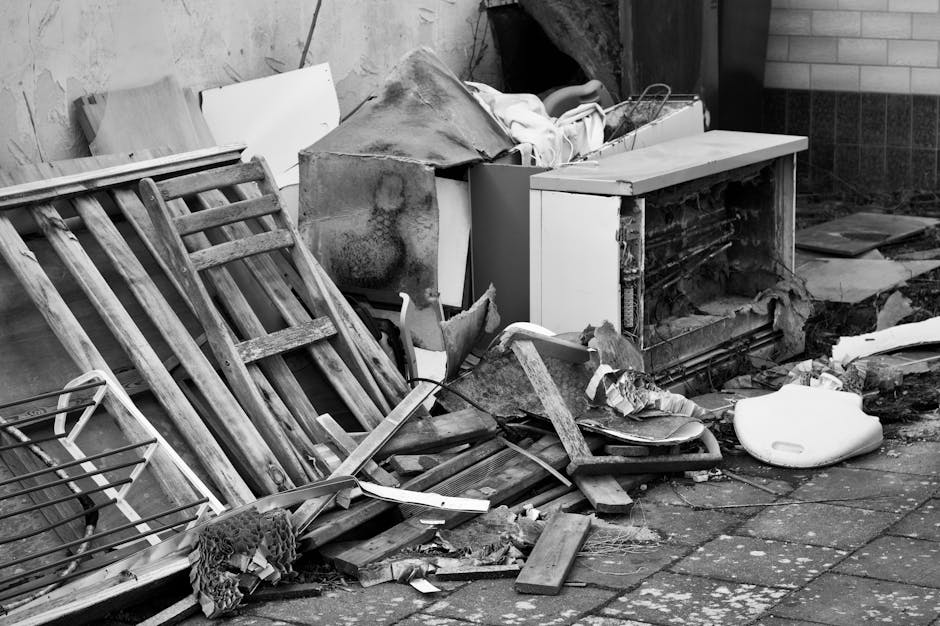
Bulky Item Collection in Vauxhall: Wardrobes & Appliances
If you've ever stood in front of a flat-pack wardrobe that's seen better days, or a fridge that has finally given up with a last, apologetic hum, you'll know the awkward part is not just the lifting. It's everything around it: planning, access, protection, timing, and figuring out what actually happens next. That's where Bulky Item Collection in Vauxhall: Wardrobes & Appliances becomes genuinely useful. Done properly, it clears space, reduces stress, and helps you handle heavy household items without turning your hallway into a battleground.
This guide breaks down how bulky item collection works in plain English, who it suits, what to prepare, and how to avoid the usual mistakes. We'll also look at wardrobes, fridges, freezers, washing machines and other awkward loads, with a few practical pointers for anyone juggling a move, a clear-out, or a last-minute replacement. Truth be told, a bit of planning here saves a lot of backache later.
Why Bulky Item Collection in Vauxhall Matters
Bulky items are a different beast from ordinary rubbish or a few bagged bits and pieces. A wardrobe can be tall, heavy and awkwardly balanced. A washing machine can contain residual water and parts that should not just be dragged across a floor. A fridge or freezer may need careful handling if it is being removed, stored or transported. In a busy area like Vauxhall, where homes often mean stairs, tight doorways, shared entrances and limited loading space, the challenge can be even bigger.
There's also the practical side that people sometimes overlook: leaving bulky items piled up "for later" creates clutter, blocks access and makes moving day feel twice as stressful. If you are already preparing a relocation, it often makes sense to coordinate the clearance with your wider plans. Many readers find it useful to combine the thinking in this clutter-clearing guide for relocations with the more hands-on advice in how to keep a house move calmer. That combination is surprisingly powerful.
In practical terms, bulky item collection matters because it:
- reduces the risk of injury from lifting or dragging heavy goods
- protects walls, floors, stairs and door frames from accidental damage
- helps you free up space before a move, renovation or sale
- keeps shared buildings and narrow access routes clear
- makes it easier to separate reusable items from items that need disposal or recycling
And let's face it, nobody wants to discover at the last minute that a wardrobe does not fit through the hallway. That is one of those problems that always looks smaller in your head than it does in real life.
How Bulky Item Collection in Vauxhall: Wardrobes & Appliances Works
The process is usually simpler than people imagine, but it works best when you prepare properly. A bulky collection for a wardrobe or appliance typically begins with identifying the item, checking access, and deciding whether it needs dismantling, disconnection or special handling before it can be moved safely.
For wardrobes, the key question is usually whether the unit is solid, flat-pack, mirrored, fitted, or already partly dismantled. For appliances, the question is often about connections and residual contents. A freezer should be emptied, defrosted and dried before removal if possible. A washing machine should be disconnected correctly and checked for trapped water. These are small things on paper, but they make a huge difference in practice. If you want a deeper read on one specific appliance, the article on storing a freezer correctly is especially helpful.
A smooth collection usually follows a simple pattern:
- Assess the item - size, weight, condition, and whether it can be dismantled.
- Check the route - doors, stairs, lifts, corners, pavements, and parking access.
- Prepare the item - empty shelves, tape loose parts, secure cords and remove hazards.
- Protect the home - use floor protection, blankets or corner guards where needed.
- Move safely - use correct lifting technique and suitable equipment.
- Load and secure - keep items stable so they do not shift during transport.
That sounds almost too straightforward, but in real life the awkward bit is often the doorway. One inch too wide, one hinge too stubborn, and suddenly everybody is standing in the hall thinking hard. If you are dealing with larger furniture as well as appliances, it can help to read about furniture removals in Vauxhall and the broader removal services in Vauxhall available for heavier household items.
For people in flats or shared buildings, timing matters too. Early mornings, limited lift access, school-run traffic and narrow streets can all affect how a bulky collection is scheduled. That local reality is often the difference between an easy job and a frustrating one.
Key Benefits and Practical Advantages
There are several good reasons to arrange a proper bulky item collection rather than trying to deal with everything yourself or leaving it to chance. Some are obvious, some are not.
- Safer handling: Heavy wardrobes and appliances can cause strains, slips and trapped fingers very quickly.
- Less damage: Experienced handling reduces the chance of gouged floors, chipped paint or dented appliance casings.
- Time savings: A planned collection is usually much quicker than improvised lifting on the day.
- Better organisation: It helps you sort what stays, what goes, and what should be reused or stored.
- Cleaner move-out: A cleared room looks and feels far more manageable.
- Reduced mental load: One less big thing to think about can genuinely calm the whole day down.
There's also a hidden benefit: bulky item collection often forces the kind of decision people have been avoiding for months. Do you really need that wardrobe? Is the old freezer worth moving, or would it be better to replace it later? That sort of honest sorting can make the rest of the move feel lighter. For a similar mindset, decluttering before relocation is worth a look.
Expert summary: The best bulky item collections are not just about removal. They are about preparation, safe movement, sensible timing and a clear plan for the space you are leaving behind.
One more thing: if you are managing a move in stages, bulky collection can help create breathing room. You can empty one room completely, reclaim access to storage areas, and make the rest of the property far easier to pack or clean. That small win is sometimes the one that keeps everything moving.
Who This Is For and When It Makes Sense
Bulky item collection is useful for a wide mix of people. It is not just for those doing a full house move, although that is a common trigger. In practice, people usually need it when one of three things is happening: they are changing homes, replacing old furniture or appliances, or clearing a property quickly.
Typical situations include:
- Home movers: You may want a wardrobe, cooker or fridge removed before completion day or before handover.
- Flat residents: Tight stairwells and limited storage make large items awkward to keep around.
- Landlords and tenants: End-of-tenancy clearances often involve one or two very large items.
- Students: A room refresh, end of term move, or shared flat clear-out can produce bulky leftovers.
- Small offices: Desks and office equipment are not wardrobes, of course, but they create the same logistical headaches.
- People replacing appliances: A new fridge or washing machine often means the old one has to go somewhere first.
It makes sense any time the item is too large, too heavy or too awkward to be treated like normal household waste. A wardrobe with mirrors or glass panels, for example, needs more care than a pile of broken packaging. A fridge with shelves and seals still attached needs a bit of order, not a rushed drag to the pavement.
If you are in a hurry, a same-day solution may be the practical answer. In some cases, readers also compare it with same-day removals in Vauxhall or a more general man and van option in Vauxhall, especially if the collection is tied to a deadline. To be fair, deadlines have a way of appearing right when you least want them.
Step-by-Step Guidance
If you want the whole thing to go smoothly, treat bulky collection like a small project. Not a drama. Just a project.
1. Identify exactly what needs collecting
Write down the item, its approximate size, whether it is assembled, and whether it contains anything inside. A wardrobe full of clothes is not ready. A freezer full of food is definitely not ready. A washing machine still connected to water is not ready either. This sounds obvious, but in moving situations obvious things are often the first to disappear from memory.
2. Measure access points before the day
Check the width of doorways, stair turns, lifts and any awkward corners. If a wardrobe was assembled indoors, ask yourself a simple question: how did it get in? The answer is often "piece by piece," which tells you a lot about how it should come out. If you are unsure, a careful dismantle can be much safer than trying to muscle it through.
3. Prepare appliances properly
Fridges and freezers should be emptied, unplugged and allowed to dry. Washing machines should be drained and secured for transport. If you are dealing with a freezer specifically, the guidance in this freezer storage article is a useful companion piece. You can also read about protecting bulky furniture in storage if the item is being kept rather than removed straight away.
4. Break down what can be broken down
Remove drawers, shelves, loose fittings and detachable doors where appropriate. Bag screws and fixings in labelled packets. Tape them to the inside of the item or keep them in a clearly marked box. If a wardrobe has sliding mirrored doors, secure them carefully and do not assume they will stay put. They often won't, not if you give them even half a chance.
5. Use proper moving support
Blankets, straps, gloves and a trolley can make the difference between a tidy move and a sore back. For heavier lifting methods, the articles on heavy lifting technique and on lifting solutions are helpful reminders that technique matters as much as strength.
6. Plan loading and transport
Bulky items should be loaded so they are stable and cannot shift. Appliances need to sit securely, and wardrobes should not lean unsupported where they can tip or scrape. If the collection is part of a bigger move, a suitable van size matters too. Sometimes a removal van is the better fit than improvising with a car and "a couple of hopeful trips."
7. Confirm the final handover point
Know whether the item is going to disposal, storage, reuse or another address. That final decision affects everything: packing, timing, transport method and handling precautions. If you are moving from the area and need a broader local planning lens, this local removals advice may also help frame your next steps.
Expert Tips for Better Results
Here's where a few little habits save a lot of effort.
- Empty wardrobes fully before any movement. Even a "light" wardrobe gets unexpectedly awkward once there are hangers, drawers and loose items inside.
- Photograph appliance setups first. A quick picture of hoses or cable positions can prevent confusion later, especially if something is being reinstalled.
- Protect corners and floors early. Don't wait until the first scrape. Prevention is simpler than repair. Boring, yes. Effective, absolutely.
- Check for moisture. Appliance drips are a common nuisance and can create slipping hazards in hallways or lifts.
- Set aside a clear path before the collection starts. Shoes, bags, bins and plant pots have a habit of appearing exactly where you need to turn.
- Use a second pair of hands for awkward angles. Even experienced movers prefer a proper team when a large item has to be twisted through a narrow landing.
A small but important note: if an item seems too heavy or too unstable to move safely, stop and reassess. That is not hesitation. That is competence. People sometimes think "just one more shove" will solve it. It rarely does.
For readers who are managing multiple rooms at once, packing efficiently for a house move and organising a bed and mattress move can also help shape the order of work around the bulky items.
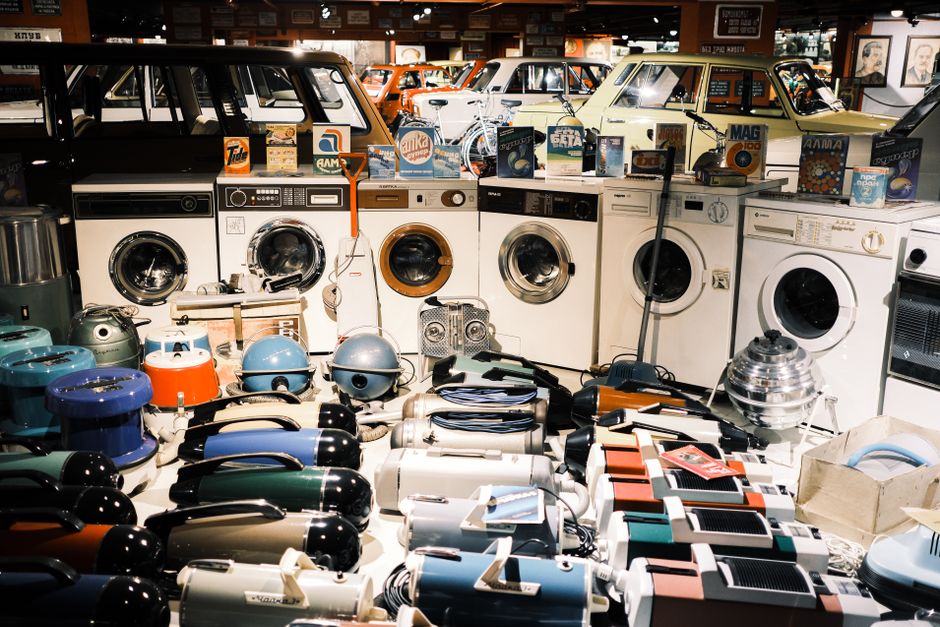
Common Mistakes to Avoid
Most bulky item problems come from rushing. The item is not the only issue. The route, the timing and the prep usually matter just as much.
- Not measuring first: A wardrobe that cannot turn a corner becomes a much bigger problem than people expect.
- Leaving appliances connected: This can lead to leaks, electrical risks and avoidable damage.
- Forgetting loose parts: Shelves, handles, doors and cables can become hazards during lifting.
- Ignoring building rules: Shared access, parking and lift use often have constraints, even if they are informal.
- Overestimating DIY ability: A heavy item is not a personal challenge, despite what the voice in your head may say.
- Not planning disposal or reuse in advance: Last-minute decisions tend to slow everything down.
Another common issue is assuming every bulky item should be treated the same way. A solid oak wardrobe, a laminated flat-pack unit, a glass-fronted dresser and a fridge freezer all need different handling. That distinction sounds small, but it is the difference between a careful collection and a stressful one.
If you are considering help from professionals, it can be worth reading through the broader services overview first. It helps set expectations before you commit to anything.
Tools, Resources and Recommendations
You do not need a warehouse full of equipment for a simple bulky collection, but the right basics make life much easier.
| Item | What it helps with | Practical note |
|---|---|---|
| Heavy-duty gloves | Grip and hand protection | Useful for awkward edges, screws and tight carries |
| Moving blankets | Surface protection | Helpful for wardrobes, appliance corners and door frames |
| Straps or ropes | Load stability | Keep items upright and reduce shifting in transit |
| Trolley or sack truck | Safer transport | Best for appliances and flat-floor moves |
| Labels and bags | Fixings and small parts | Bag screws, hinges and fittings by item |
For homeowners and tenants who are still working through the wider move, a few supporting resources can help:
- packing and boxes in Vauxhall for organising everything around the bulky items
- storage in Vauxhall if the item is staying but not staying put, if you know what I mean
- house removals in Vauxhall for more complete moving support
- flat removals in Vauxhall where stairs, lifts and access details need extra care
A decent checklist, a roll of tape and a trolley are not glamorous. But they are the uncelebrated heroes of a calm move. You notice their value the moment something heavy needs turning at an angle.
Law, Compliance, Standards, or Best Practice
For bulky item collection, the main thing is to follow sensible UK best practice around safety, handling and disposal. That means not blocking shared entrances, not leaving items where they create hazards, and not treating electrical appliances casually. If you are dealing with fridges, freezers or washing machines, disconnect them safely and ensure they are empty and ready for movement. If you are unsure about a connection, it is better to pause than guess.
In blocks of flats and managed properties, there may also be building-specific rules about lift use, parking bays, service entrances, or time windows for collections. Those are not always written in huge letters, but they matter. A quick check with your building manager or landlord can prevent a last-minute headache.
From a safety perspective, the big principles are simple:
- do not lift beyond what you can safely manage
- keep walkways clear and dry
- secure moving parts and remove loose contents
- protect the property while the item is being removed
- use appropriate equipment for weight and size
It is also good practice to separate items that can be reused, recycled or disposed of. The sustainability side matters more than people often think. If you care about responsible clearance, recycling and sustainability is a sensible supporting read. Likewise, trust and safety information is worth knowing about, especially if your collection is part of a bigger move. The same goes for insurance and safety and the company's health and safety policy.
One final point here: if you are comparing providers, look for clear terms, transparent pricing and practical handling standards. A professional approach should feel organised, not vague. Vague is never a good sign when a fridge is involved.
Options, Methods, or Comparison Table
There is more than one way to deal with a bulky wardrobe or appliance. The right option depends on size, urgency, access and whether the item is being kept, moved, stored or cleared away.
| Method | Best for | Pros | Watch-outs |
|---|---|---|---|
| DIY removal | Small, manageable items and short distances | Lower direct cost, flexible timing | Higher risk of damage or injury; can be exhausting |
| Man and van support | Moderate items, short local moves, mixed loads | Practical, efficient, useful for tricky access | Requires accurate measurement and clear instructions |
| Full removal service | Larger moves or multiple bulky items | More complete support, better for complex jobs | May be more than you need for a single item |
| Storage first, move later | When there is a gap between leaving and settling in | Gives breathing room and protects the move timetable | Requires planning around access and item condition |
For a single awkward wardrobe, a simple support arrangement may be enough. For a fridge, wardrobe and bed frame all at once, a broader moving setup usually makes more sense. There is no prize for making the job harder than it needs to be.
If you are deciding between options, compare your own time, the item size and the access conditions before anything else. Cost matters, naturally, but so does not spending your Saturday wrestling a cabinet down three flights of stairs.
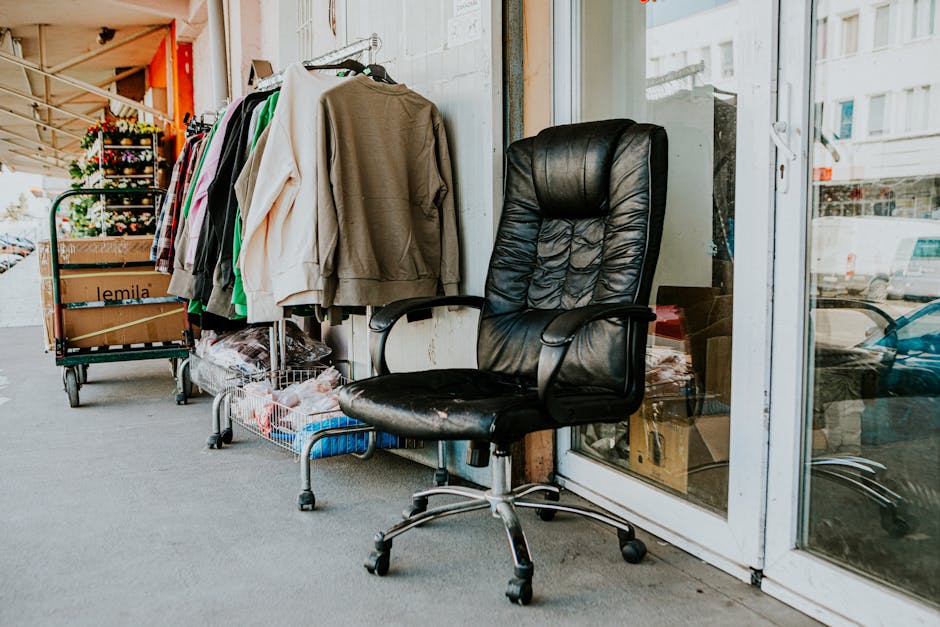
Case Study or Real-World Example
A common Vauxhall scenario goes like this. A couple are moving out of a compact flat. They have a tall wardrobe with mirrored doors, a freezer they no longer need, and a washing machine that must be removed before handover. On paper, that sounds straightforward. In reality, the lift is small, the hallway is narrow, and the wardrobe has been built around the room rather than for it.
What made the collection work was not brute force. It was order.
- The wardrobe was emptied and dismantled first, with fixings bagged and labelled.
- The freezer was unplugged early, defrosted, dried and checked for residual water.
- The washing machine hoses were disconnected carefully and the route was cleared before anything moved.
- Blankets were used to protect the hallway wall where turning space was tight.
- The items were loaded in the right sequence, with the heaviest first and the most delicate secured separately.
The interesting part was how much easier everything became once the items stopped being "just things to get rid of" and started being treated as a sequence of tasks. That's the real trick. Once you split the work into steps, the whole process feels far less intimidating.
And yes, there was still a small moment of "Will this turn the corner?" near the end. There usually is. But it did, because the route had been measured and the wardrobe had been dismantled instead of being argued with.
Practical Checklist
Use this before the collection day. It keeps things simple.
- Confirm exactly which bulky items are being collected
- Measure doors, stairwells, lifts and any tight corners
- Empty wardrobes, drawers and appliance contents
- Defrost and dry fridges or freezers if needed
- Disconnect appliances safely and check for trapped water
- Remove loose fittings, shelves, cables and small parts
- Bag screws, hinges and fixings with clear labels
- Clear the path from room to exit and remove trip hazards
- Protect floors, corners and walls where needed
- Check parking, access and any building rules in advance
- Decide whether the item is being stored, reused, recycled or disposed of
- Have contact details and timing confirmed before the day starts
Quick takeaway: The smoother the preparation, the safer the collection. Heavy items rarely cause problems because they are heavy alone; they cause problems because they are heavy, awkward and rushed.
Get a free quote today and see how much you can save.
Conclusion
Bulky item collection in Vauxhall is really about turning a difficult, physical task into a clean sequence of manageable steps. Wardrobes and appliances are among the most awkward household items to deal with, but with the right prep, the right timing and a sensible approach to safety, they do not need to dominate the whole move.
If you are clearing space for a sale, handing back a flat, replacing old appliances or simply trying to regain control of a cramped room, a well-planned collection can make a bigger difference than you might expect. Small win, big relief. That is often how it feels.
Take your time, measure twice, and do not be shy about asking for support when the item is too much to handle alone. A calmer move is a better move, and in the end that is what most people really want.