Restricted Streets in SW8: When a Skip Permit Is Required
Posted on 29/07/2026
If you are arranging a clear-out, renovation, or house move in SW8, the last thing you want is a skip turning into a parking headache. Restricted streets in SW8 can make a simple waste job feel far more complicated than it should. In practice, knowing when a skip permit is required can save time, prevent fines, and stop your project from stalling halfway through. That matters whether you are clearing a flat, shifting bulky furniture, or getting ready for a move and realising the spare room has become a storage unit. We have all seen that moment.
This guide explains the rules in plain English, how restricted streets affect skip placement, what usually triggers a permit, and how to plan the job so it runs smoothly. It also covers common mistakes, practical checks, and a few local moving tips that make life easier in SW8 and nearby Lambeth streets.

Why Restricted Streets in SW8: When a Skip Permit Is Required Matters
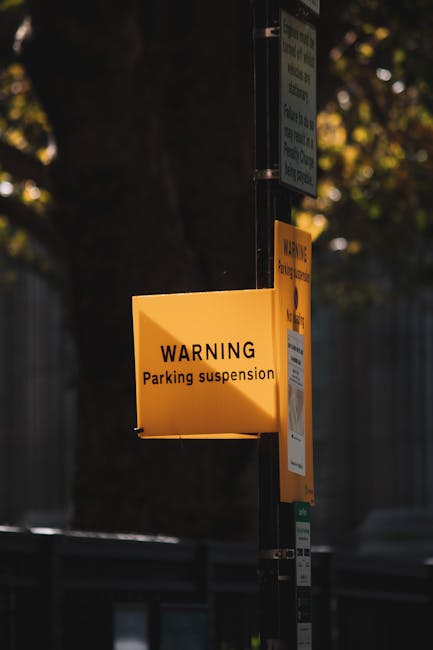
Restricted streets are not just a label on a map. They are streets where parking, loading, waiting, or access can be controlled more tightly because of traffic flow, residents' access, bus routes, safety concerns, or limited space. In SW8, that can mean a skip cannot simply be dropped wherever there is an empty patch of kerb. If the skip ends up on a road that needs permission, you may need approval before it can be placed there.
That matters for three obvious reasons. First, there is the practical side: if the skip is refused, delayed, or removed, your project slows down. Second, there is the cost side: permit problems, re-delivery charges, and avoidable penalties can become frustratingly expensive. Third, and this is the part people often underestimate, skip placement on a restricted street can affect neighbours, access for emergency vehicles, and day-to-day traffic in ways that get attention very quickly.
In a busy London area, small details add up. A narrow road, double yellow lines, a controlled parking zone, or a road with limited stopping space can change the whole plan. It is one of those things that seems minor until the lorry arrives and there is nowhere legal to put the skip. Then the job gets awkward. Fast.
For people moving home, there is also a knock-on effect. If you are already organising packing, furniture handling, and the final clean, the last thing you need is waste removal complexity. A helpful related read is clear-the-clutter-for-a-smoother-relocation, because a tidy pre-move sort-out often reduces the amount of waste you even need to deal with.
Expert summary: If the street is restricted, busy, or subject to parking control, do not assume a skip can sit there without permission. Check before delivery, not after.
How Restricted Streets in SW8: When a Skip Permit Is Required Works
Skip permits, sometimes called skip licences or skip placement permissions, are usually needed when a skip is placed on a public road rather than entirely on private land. In restricted streets, the question is not just whether the skip is on the road, but whether that road has extra rules that affect access, parking, or placement.
Here is the simple version: if the skip sits on your own driveway or private property, a street permit is often not needed. If it has to go on the highway, kerbside, or any public part of the road, permission may be needed. In a restricted street, the threshold for needing a permit is often lower in practice because there is less tolerance for obstruction. That is the bit people sometimes miss.
Several factors usually influence the decision:
- Whether the skip is on public land or private land
- Whether the street has parking restrictions or controlled access
- Whether the placement blocks visibility, loading areas, or bays
- Whether the skip will reduce access for pedestrians, cyclists, or vehicles
- Whether the road layout makes a skip difficult to position safely
There is also the operational side. A skip supplier may ask for exact placement details, vehicle registration information, the expected duration, and whether the location needs additional traffic management. That is not bureaucracy for the sake of it; it is how they avoid a failed delivery. Truth be told, most problems start when somebody says, "There should be room there," and then the actual road says otherwise.
If your project includes a move rather than just rubbish removal, it can help to think ahead about packing and load order. The advice in pack-effectively-for-your-house-move-and-enjoy-the-process is useful here because efficient packing can shrink the volume you need to dispose of in the first place.
Key Benefits and Practical Advantages
Getting the permit question right brings more than legal peace of mind. It makes the whole job calmer. And yes, calmer is a real benefit when you are dealing with a full flat clear-out on a wet Tuesday morning in London.
- Less risk of disruption: Your skip arrives and stays where it should.
- Reduced chance of enforcement problems: You avoid the awkwardness of an unpermitted placement.
- Smoother access for everyone: Neighbours, deliveries, and pedestrians are less likely to be blocked.
- Better scheduling: You can plan collection and delivery around the actual road conditions.
- Cleaner project management: Waste, removals, and final cleaning can be coordinated more easily.
There is a surprisingly big practical advantage in avoiding a last-minute scramble. For example, when a skip is delayed because a street is restricted, people often start stacking waste in hallways, on the pavement, or in the garden. That tends to create more mess, more stress, and sometimes more damage. Nobody wants that.
If you are dealing with large furniture or particularly heavy items, it may be smarter to combine skip planning with professional handling. A good place to start is bulky item collection in Vauxhall wardrobes appliances, which is relevant whenever a room clear-out includes awkward objects that are not easy to lift or dispose of casually.
Who This Is For and When It Makes Sense
This topic matters to a wider group than people first expect. It is not just for builders or landlords. In SW8, skip permit questions come up in all sorts of real-life situations.
- Home movers: clearing out unwanted furniture, broken items, or old household clutter before a move.
- Landlords and letting agents: handling end-of-tenancy waste or post-tenancy clearances.
- Homeowners renovating: disposing of bathroom, kitchen, or garden waste.
- Flat sharers: dealing with years of accumulated stuff from cupboards, loft spaces, and storage corners.
- Small businesses: clearing offices or storage areas where access is tight.
It makes sense to think about a skip permit whenever the skip would need to sit on a road, especially if the street is busy, narrow, or already regulated. In SW8, this can happen quickly. One minute you think the curb outside the property is convenient; the next, you realise there is a loading restriction, a resident bay, or limited space for safe placement.
A good rule of thumb: if you would hesitate before parking a large vehicle there for several hours, you should probably pause before placing a skip there too. Not exactly rocket science, but it saves headaches.
Step-by-Step Guidance
- Check where the skip will sit. Private land and public highway are treated differently. This is the starting point, always.
- Look closely at the street conditions. Are there restrictions, loading bays, narrow sections, or access issues? In SW8, that can change from one stretch of road to the next.
- Confirm whether permission is needed. If the skip is going on the road, do not assume it is allowed without a permit.
- Plan the timing. Delivery and collection should suit the street's traffic pattern, local access, and your own project schedule.
- Make sure the area is clear. Parked cars, bins, scaffolding, and temporary obstructions can all cause delivery failures.
- Coordinate with any wider move or clearance. If you are moving home, make the waste plan part of the moving plan, not a separate afterthought.
- Keep the skip use sensible. Do not overload it, and do not place prohibited materials in it.
A tiny bit of planning can make a huge difference. For home moves, it is often smart to pair skip arrangements with move day preparation. If you want a steadier process overall, navigate a house move with no stress fits neatly into the wider planning picture.
One more practical note: if you are clearing a property in stages, you may not need the skip as early as you think. Sometimes it is better to declutter first, then book the skip once you know what is actually going out. That sounds obvious, but people skip that step all the time.
Expert Tips for Better Results
Here is where the small stuff matters. In real jobs, the difference between smooth and messy usually comes down to detail.
- Measure the space properly. Don't rely on memory or a quick glance from the pavement.
- Photograph the street if needed. A few clear images of the intended placement point can help everyone understand the access situation.
- Leave extra room around the skip. Even if the skip technically fits, safe access matters.
- Think about neighbours. A considerate placement can reduce complaints and awkward conversations.
- Book earlier for busy periods. Summer, month-end moves, and weekend jobs often create tighter availability.
- Match the waste plan to the property size. A one-bed flat clear-out is not the same as a full house renovation.
If you are removing old mattresses, heavy bed frames, or sofa parts, it may be better to separate the waste plan from the lifting plan. The article how to organize a successful bed and mattress move is a useful reminder that awkward household items need a bit of strategy, not just muscle.
And if you have ever tried dragging a broken chest of drawers through a tight hallway, you already know this: the smallest staircase can feel like a medieval obstacle course. Best not to improvise. Better to plan it.
Common Mistakes to Avoid
Some mistakes show up again and again. They are predictable, which is annoying, but also helpful, because you can avoid them.
- Assuming a skip is fine on the street by default. In restricted streets, that assumption can backfire quickly.
- Leaving permit checks too late. Last-minute bookings often lead to delays or poor placement choices.
- Ignoring access needs. A skip that blocks a turning point, bay, or footpath can create bigger issues than you expected.
- Overfilling the skip. Waste above the fill line can create safety and collection problems.
- Mixing in unsuitable waste. Not everything belongs in a general skip, so check before loading.
- Forgetting the wider project timeline. If a move, clean, or renovation is coming up, the skip should fit around that plan.
Another easy mistake is underestimating how much clutter builds up before a move. It is very common to discover far more unwanted items than expected once cupboards are opened and boxes start coming down. If that sounds familiar, clear the clutter for a smoother relocation is worth reading alongside this guide.
Honestly, the biggest issue is usually not the skip itself. It is the assumption that the street will cooperate. Streets rarely care about your timetable. Slightly rude of them, but there we are.
Tools, Resources and Recommendations
You do not need a complicated toolkit for this, just the right information and a sensible approach.
- Site photos: Useful for checking width, kerb space, and access points.
- Measuring tape or phone measure app: Handy for checking clearances.
- Project notes: Keep a simple list of delivery date, collection date, and any access restrictions.
- Room-by-room declutter plan: Reduces waste volume before the skip arrives.
- Moving boxes and labels: Helpful if the skip is part of a wider moving project.
For moving materials and packing support, packing and boxes Vauxhall can be a sensible complementary service page to consult when the waste and packing tasks overlap. Likewise, your go-to guide for cleaning a home before moving is especially useful if the skip is part of a final clear-out before handover.
If you are dealing with a heavier or more complex move, professional handling can reduce strain. The piece become your own heavy lifting expert is a useful reminder that lifting, loading, and waste removal all benefit from safe technique.
Law, Compliance, Standards, or Best Practice
Rules around skips and street placement are typically governed by local highway and parking controls, which can vary by location. In plain English, that means the exact answer depends on where the skip is going, what kind of street it is, and whether the placement affects public access. In SW8, where roads can be busy and closely managed, best practice is to treat any public-road placement as something that needs checking first.
From a compliance point of view, a few principles are worth following:
- Do not place a skip on the public highway without confirming permission requirements.
- Make sure the skip is positioned safely and does not create an avoidable obstruction.
- Respect access for pedestrians, cyclists, emergency vehicles, and nearby residents.
- Follow the waste company's instructions on load limits and prohibited materials.
- Keep records of delivery arrangements and permit-related information in case questions come up.
There is also a wider best-practice angle. If your clear-out includes furniture, packaging, or leftover household waste, consider how much can be reused, donated, or recycled before it goes into a skip. A useful companion read is recycling and sustainability, which fits naturally with responsible disposal habits.
For anyone coordinating a move, a removal company, or a property clearance, this sort of planning also supports smoother operations overall. The calmer your compliance setup, the less likely you are to get caught in avoidable delays or awkward phone calls. And nobody loves those.
Options, Methods, or Comparison Table
There is more than one way to deal with waste in SW8, and the right option depends on volume, access, and timing. A skip is not always the answer, although it is often the neatest one when the quantity is sizeable.
| Option | Best for | Pros | Watch out for |
|---|---|---|---|
| Skip on private land | Homes with driveways, yards, or private forecourts | Usually simpler, less street disruption | Needs enough space and access |
| Skip on public road | Properties without private space | Practical for larger clear-outs | May require a permit in restricted streets |
| Man and van clearance | Smaller loads or mixed items | Flexible, fast, less roadside impact | May need multiple trips for big jobs |
| Phased decluttering | Moves and gradual clear-outs | Reduces waste volume over time | Takes more planning and discipline |
If your job is mostly household removal rather than pure waste disposal, it can help to compare the approach with an ordinary move. A service page like man and van Vauxhall is relevant when you need flexible transport, while removals Vauxhall is more suitable when the job is broader and involves a full relocation rather than just waste.
The main takeaway? If you need to keep a road clear and your access is limited, a skip is often workable, but only if the street rules allow it. If not, the alternative methods may be faster and less stressful anyway.
Case Study or Real-World Example
Imagine a second-floor flat in SW8 at the end of a tenancy. The household has a sofa, a worn mattress, several bags of mixed clutter, old kitchen bits, and a few broken storage items. There is no private driveway, only a narrow street with parking controls and limited space outside the building. At first glance, the team thinks a skip can sit directly outside for a day or two.
Then the practical checks start. The road is restricted. Space is tight. Nearby cars leave little margin. A full-size skip would need careful placement and likely permission. Instead of forcing the issue, the waste is split into categories. Some items are boxed and moved out first, a few usable pieces are set aside, and the team books the right disposal method for the remaining load.
The result is boring in the best possible way: no blocked footpath, no failed delivery, and no last-minute panic. The flat is cleared on time, the final clean goes ahead, and the movers are not trying to work around a skip sitting awkwardly in the street. Small win, but a real one.
That sort of situation is exactly why street restrictions matter. The waste itself was manageable. The street layout was the tricky bit.
Practical Checklist
- Confirm whether the skip will sit on private land or public highway
- Check if the street in SW8 has parking or access restrictions
- Allow time for any permit or placement checks before delivery
- Measure the available space carefully
- Clear parked vehicles or obstacles where possible
- Separate reusable, recyclable, and disposable items first
- Decide whether a skip, a clearance service, or a mixed approach makes more sense
- Keep the skip load within safe limits
- Plan delivery and collection around the rest of your move or clearance
- Save any booking notes or instructions for reference
For anyone dealing with a home move at the same time, this is where a little structure really pays off. how to avoid hidden fees in Vauxhall removal quotes is useful if you want to keep the whole project financially tidy as well as logistically tidy.
Conclusion
Restricted streets in SW8 can change the answer to a simple question: can I put a skip here, or do I need permission first? In many cases, the issue is not the skip itself but the location, the access, and the practical impact on the street. Once you understand that, the rest becomes much easier to manage.
The safest approach is straightforward. Check the placement, understand the street restrictions, plan ahead, and keep the skip arrangement aligned with the rest of your move or clearance. That little bit of foresight can save a lot of stress later, especially when the day is already full of boxes, dust, or that one cupboard nobody wanted to open.
Get a free quote today and see how much you can save.